What Ever Happened to Fay Wray?
- briangparker63
- 5 days ago
- 3 min read
“Whatever happened to Fay Wray?
That delicate satin-draped frame
As it clung to her thigh, how I started to cry
Cause I wanted to be dressed just the same”
Though best known for her starring role as the ape’s unrequited love in 1933’s King Kong, Fay Wray's acting career spanned nearly 70 years and 127 appearances in film and television.

Vina Fay Wray was born on September 15, 1907, in Cardston, Alberta. Her family, members of the Church of Jesus Christ of Latter-Day Saints, moved to Salt Lake City in 1912 and later moved to Hollywood, where she attended Hollywood High School.

Her first film appearance came in 1923 in an historical short sponsored by a local newspaper, but Fay’s first studio film role was in 1925’s The Coast Patrol. That same year, she appeared uncredited in bit parts for Hal Roach Studios.


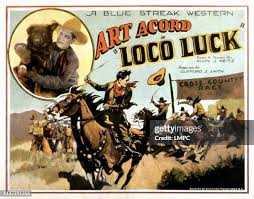

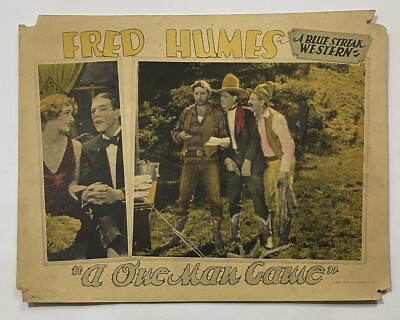

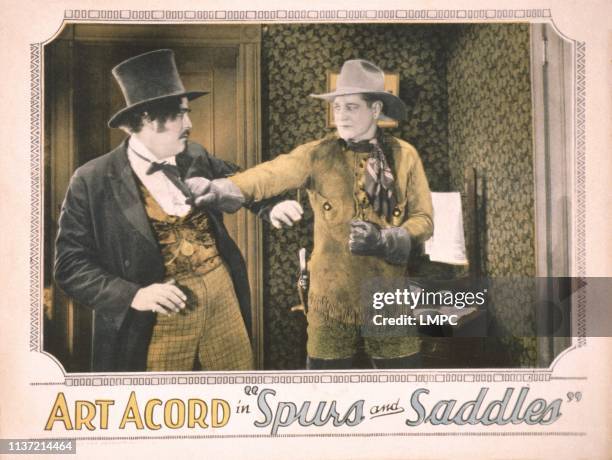
In 1926 and 1927, Fay starred in six low-budget Universal westerns alongside actors like Hoot Gibson, Art Acord, and Jack Hoxie.
By 1928, a new Paramount contract helped her transition from cheap oaters to mainstream films directed by Hollywood greats like William A. Wellman and Erich von Stroheim. Her films The First Kiss and The Wedding March used early sound with a synchronized music score and sound effects, but no spoken dialogue. Despite its high cost and financial failure, The Wedding March was significant as Wray’s first leading role.


She married novelist, screenwriter, and film director John Monk Saunders in 1928 and had a daughter. Fay remained with Paramount through The Honeymoon in 1930, an unreleased sequel to The Wedding March, then ended the year with the Warner Bros. western Captain Thunder. After Captain Thunder, she starred in 12 films leading up to 1933’s King Kong, two of which—1932's Doctor X and 1933's Mystery of the Wax Museum—were early examples of Technicolor.
Fay filmed RKO’s The Most Dangerous Game and King Kong at the same time on the same jungle sets, shooting the former at night and the latter during the day.
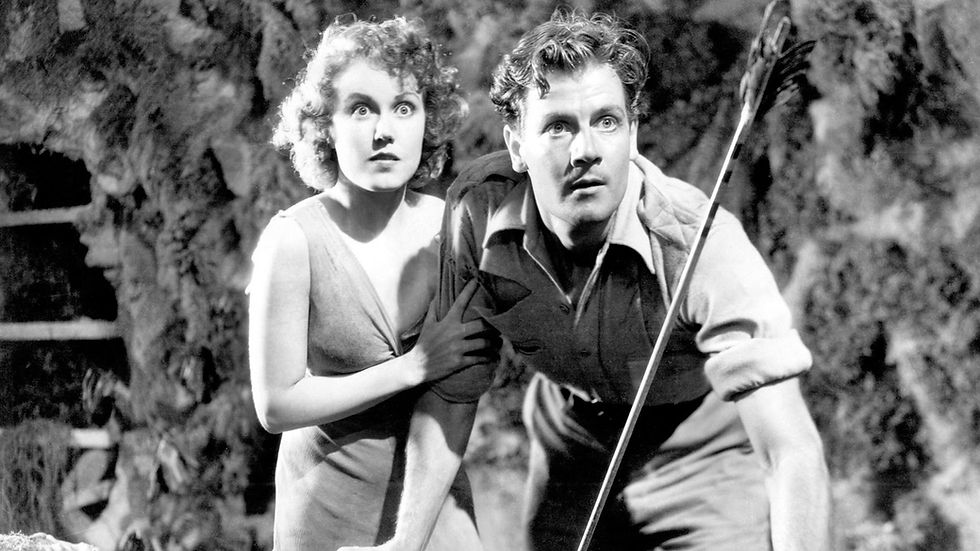

After starring in King Kong and several more horror films, Fay appeared in a few British films in an attempt to change her image. After filming The Clairvoyant in England, she returned to the U.S. where she performed on the stage and on radio. Fay became a naturalized citizen in May 1935.
Her marriage to Saunders ended in 1939, possibly because of his alcoholism. Saunders committed suicide in Florida the following year.
Between King Kong and 1942’s Not a Ladies’ Man, Fay starred in 34 films, and in 1942, she married screenwriter Robert Riskin. After appearing in the subpar 1942 Lew Landers film Not a Ladies Man, and starring in the 1944 film This is the Life, based on a play she wrote with Sinclair Lewis, Fay retired, disappearing from the silver screen until 1953, when financial difficulties led her back to acting.
Riskin adopted Fay's daughter, and they had two more children, remaining together until his death after a stroke in 1955.
After 1953, Fay had supporting roles in several films and television series, starting with Treasure of the Golden Condor. A highlight of her television work was as the female lead in all 30 episodes of The Pride of the Family, opposite Paul Hartman as her husband and Natalie Wood as her daughter. Other television outings included Alfred Hitchcock Presents, Wagon Train, and Perry Mason. However, by 1965 she once again retired from the screen, both big and small. She would return to acting one last time in 1980 for the made-for-TV film Gideon's Trumpet, alongside Henry Fonda.

In 1971, Fay married neurosurgeon Sanford Rothenberg; they remained together until he died in 1991.
Later in life, Fay wrote an autobiography, On the Other Hand, and made many public appearances. In 1991, she was crowned Queen of the Beaux Arts Ball, presiding with King Herbert Huncke, a Beat Generation author.
James Cameron offered Fay the role of elderly Rose in his 1997 film Titanic, but she declined. The part eventually went to Gloria Stuart.

In May 2004, Fay made one of her last public appearances at the 60th anniversary of the Empire State Building. Later that year, director Peter Jackson approached her to appear in a small cameo for the 2005 remake of King Kong. She met with Naomi Watts, who was to reprise Fay’s role of Ann Darrow. She politely declined the cameo and claimed the original "Kong" to be the true "King". Before filming of the remake commenced, Wray died in her sleep of natural causes on August 8, 2004, at the age of 96.

Fay Wray was honored with a star on the Hollywood Walk of Fame in the category of Motion Pictures.

© Brian G Parker
“Don’t Dream It, Be It” lyrics © ~1973 Richard O’Brien
Sources:

Comments